 UK Based Pharmacy
  Discreet Packaging
  Next Day Delivery



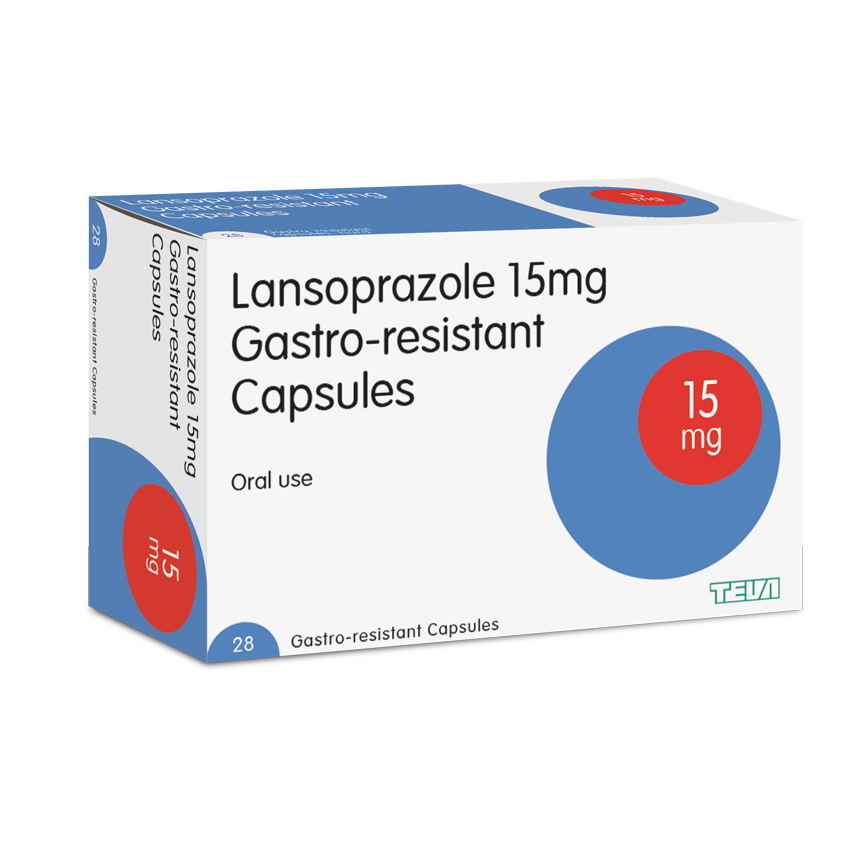
Lansoprazole Capsules (28 Capsules)
Lansoprazole treats the symptoms of Gastroesophageal reflux disease (GORD), heartburn, acid reflux and indigestion, providing relief for you to get on with your day. Lansoprazole is also used to treat gastric and duodenal ulcers, and erosive esophagitis.

Discreet Packaging

UK Based
-
- Why Choose My Pharmacy for Lansoprazole
- What is Lansoprazole?
- Understanding Lansoprazole BNF
- Various Lansoprazole Uses
- How Effective is Lansoprazole?
- Potential Lansoprazole Side Effects
- Lansoprazole Strengths and Dosage
- Lansoprazole and Alcohol
- Comparing Lansoprazole vs Omeprazole
- Alternatives to Lansoprazole
- How to Purchase Lansoprazole from My Pharmacy
Why Choose My Pharmacy for Lansoprazole?
If you're based in the UK and looking to buy Lansoprazole online, My Pharmacy has got you covered. As a premier independent online pharmacy, we offer a seamless and discreet process that begins with a free online consultation to determine your prescription needs. What's more, you can count on secure packaging and next-day delivery options to ensure that your medication arrives in perfect condition. Click here to browse other products on My Pharmacy.What is Lansoprazole?
Lansoprazole belongs to a category of medications known as proton pump inhibitors (PPIs), sharing the space with other medicines like Omeprazole, Pantoprazole and Esomeprazole. These medications differ slightly in their metabolic processes, interactions with other drugs and their duration of action. Lansoprazole operates by blocking the action of the proton pumps in the parietal cells of the stomach lining. Proton pumps are the final pathway for the secretion of gastric acid, and their inhibition effectively reduces stomach acidity. Lansoprazole binds to the proton pump and inhibits its action, which results in a decrease in acid production. The drug's action is dose-dependent and can lead to near-complete inhibition of acid secretion when used in higher doses, making it effective for treating ulcers and erosive esophagitis. For a more detailed overview of Lansoprazole, you can read this NHS article. YouTube Video Suggestion: "Lansoprazole - Mechanism, side effects, interactions and uses"Understanding Lansoprazole BNF
Lansoprazole BNF, or British National Formulary, refers to the standard guidelines for the drug's use within the UK. Lansoprazole is a potent inhibitor of gastric acid secretion, working by blocking the hydrogen-potassium adenosine triphosphatase enzyme system. This essentially means that Lansoprazole is effective at reducing stomach acid production. Available in various forms like capsules, tablets, or liquid, Lansoprazole is primarily prescribed for treating conditions such as indigestion and acid reflux. For more details, visit the BNF website.Various Lansoprazole Uses
Wondering what Lansoprazole is used for? Here's a rundown:- Healing and prevention of stomach or gut ulcers
- Managing gastro-oesophageal reflux disease (GERD)
- Treatment of Helicobacter pylori infections
- Relieving symptoms of indigestion and heartburn
- Treatment of rare illnesses like Zollinger-Ellison Syndrome
How Effective is Lansoprazole?
The effectiveness of Lansoprazole varies depending on the condition it's treating. For common issues like heartburn or indigestion, relief can be felt almost immediately or within a few days. However, for conditions like ulcers, it may take several weeks for the benefits to manifest. The effectiveness can also be influenced by interactions with other medications.Potential Lansoprazole Side Effects
Like any medication, Lansoprazole may have side effects, although not everyone experiences them. Some common and uncommon Lansoprazole side effects include:- Common: Headaches, stomach pain, nausea
- Uncommon: Low mood, joint pain, water retention
Lansoprazole Strengths and Dosage
When it comes to managing acid-related disorders, understanding the right Lansoprazole dose is crucial. Lansoprazole comes in different strengths to cater to individual patient needs, most commonly in 15mg and 30mg doses. Here's what you need to know about Lansoprazole strengths and how to determine the proper dosage: The 15mg dose is often the starting point for many treatments involving acid-related disorders. This is the lowest available strength and is generally prescribed for mild to moderate cases of indigestion, heartburn or acid reflux. Your healthcare provider might start you off on this dosage to evaluate its effectiveness before considering a higher dose. For more advanced or severe cases, the Lansoprazole 30mg dose is commonly recommended. This dose is often used in the treatment of more persistent or complicated conditions such as stomach ulcers or Zollinger-Ellison syndrome. Always consult your healthcare provider to determine if a 30mg dose is appropriate for you, particularly if you are taking other medications that might interact with Lansoprazole.Lansoprazole and Alcohol
It's generally safe to consume alcohol while on Lansoprazole; however, alcohol can exacerbate the symptoms you're treating with Lansoprazole, such as indigestion or acid reflux. It's best to avoid or limit alcohol consumption during treatment.Comparing Lansoprazole vs Omeprazole
Choosing between Lansoprazole and Omeprazole depends on various factors, including other medications you may be taking. Lansoprazole is often considered faster-acting and more potent for treating acid reflux conditions. For a more tailored recommendation, consult your healthcare provider.Alternatives to Lansoprazole
When it comes to treating conditions involving excess stomach acid, Lansoprazole is often a go-to medication. However, there may be cases where you may need an alternative to Lansoprazole, whether it's due to side effects, interactions with other medications, or inefficacy in your specific condition. Here's a look at some of the alternatives to consider.- Omeprazole: Perhaps one of the most well-known alternatives, Omeprazole is widely prescribed for similar conditions as Lansoprazole. It is often chosen for its affordability and long track record of efficacy. It also has a low potential for drug interactions.
- Esomeprazole: Esomeprazole is another alternative. It offers better bioavailability and is often used for erosive esophagitis and Zollinger-Ellison syndrome.
- Pantoprazole: This medication is often used for treating stomach ulcers and damage to the lower oesophagus due to acid reflux. Pantoprazole generally has fewer drug interactions and is less likely to influence the effectiveness of other medications.
How to Purchase Lansoprazole from My Pharmacy
Buying Lansoprazole from My Pharmacy is a straightforward process. You'll first undergo an online consultation to determine your prescription, after which you can select from various options for delivery, including next-day delivery for utmost convenience.