

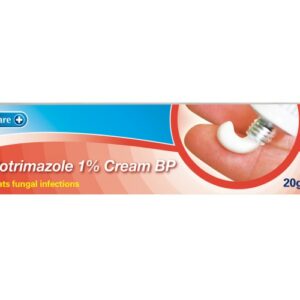
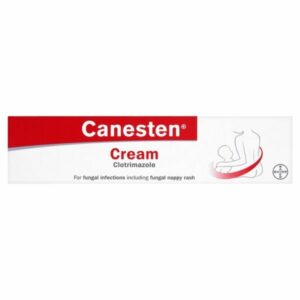
Clotrimazole 1% Cream
Price range: £2.19 through £6.99
 UK Based Pharmacy
  Discreet Packaging
  Next Day Delivery
UK Based Pharmacy
Discreet Packaging
Next Day Delivery
Next Day Delivery
UK Based Pharmacy
Discreet Packaging
Next Day Delivery 


Nappy rash medication is specifically designed to alleviate the redness, irritation, and discomfort often experienced by infants in the diaper area, commonly known as nappy or diaper rash. These over-the-counter treatments create a protective barrier on the skin, promoting healing and providing relief from discomfort. Read More…



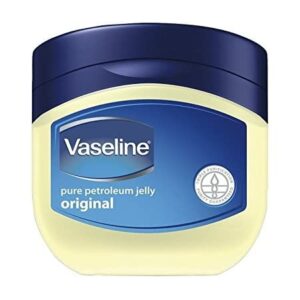
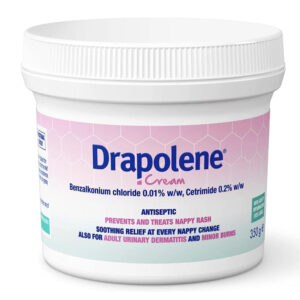
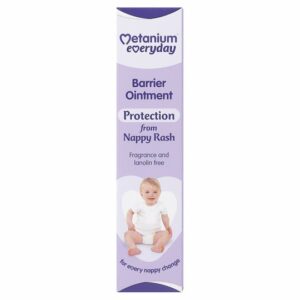
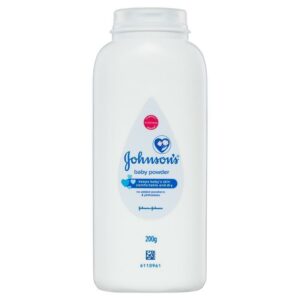
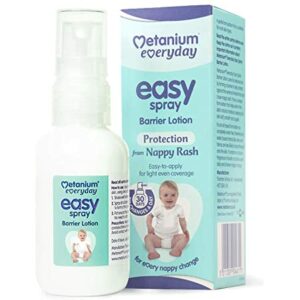
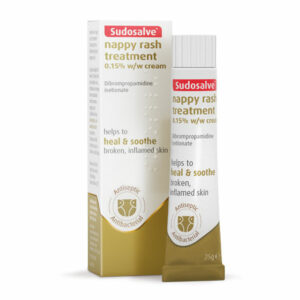


Nappy rash is a common condition that affects infants and toddlers, characterised by red, irritated, and sometimes inflamed skin in the diaper area. It can be caused by prolonged exposure to wet or soiled diapers, friction, and sensitive skin. While nappy rash is usually not serious, it can be uncomfortable for the baby, leading to fussiness and discomfort. Prompt treatment with appropriate nappy rash medication and preventive measures can help soothe and protect your baby’s delicate skin.
Symptoms of nappy rash can vary but often include a red, puffy rash on the baby’s bottom, thighs, and genitals. The skin may appear shiny, and small spots or pimples may develop. The affected area can be sensitive, causing discomfort or pain for the baby, especially during diaper changes or when in contact with urine or stool. In severe cases, the rash may lead to open sores or blisters. It’s crucial to monitor these symptoms and consult a healthcare professional if the rash worsens or persists.
Healthcare providers can diagnose nappy rash by visually examining the affected area. However, if the rash does not go away despite the resolution of the suspected causes, a doctor’s opinion should be sought to identify the triggers, treat the rash, and prevent it from recurring or worsening. In cases where the rash is severe or persistent, further medical evaluation may be necessary to rule out other skin conditions and determine the appropriate treatment.
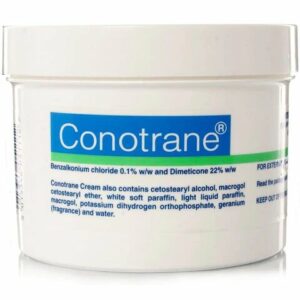
Nappy rash can be treated with over-the-counter medicines available at My Pharmacy, such as:
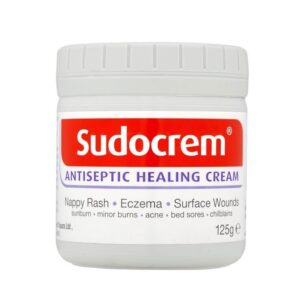
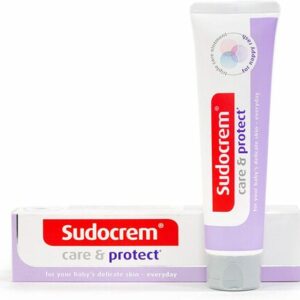
● Sudocrem Antiseptic Healing Cream: A popular choice for nappy rash, it soothes and heals the skin while providing a protective barrier.
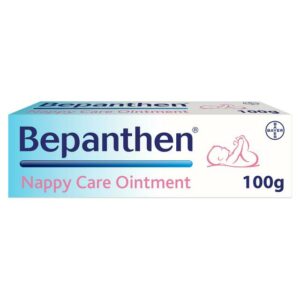
● Bepanthen Nappy Care Ointment: This ointment contains pro-vitamin B5, which helps the skin to repair naturally and is gentle enough for daily use.
● Metanium Nappy Rash Ointment: Specifically formulated to treat nappy rash, it helps relieve irritation and redness.
These products are created to provide relief from the symptoms of nappy rash, protect the skin from further irritation, and support the healing process.
Preventing nappy rash involves a few key steps to keep your baby’s skin clean and dry: